August 28, 2026
Older properties often charm us with their historical significance and architectural beauty, yet they also present unique challenges, particularly when it comes to electrical systems. Understanding the importance of electrical repairs in older properties is crucial to ensure safety, functionality, and value. As the tapestry of time evolves these homes, adherence to contemporary electrical standards becomes paramount. This piece will explore the reasons why electrical repairs are a necessary undertaking for older properties.
1. Why are Electrical Repairs Crucial for Safety in Older Homes?
1.1 Aging Wiring Systems
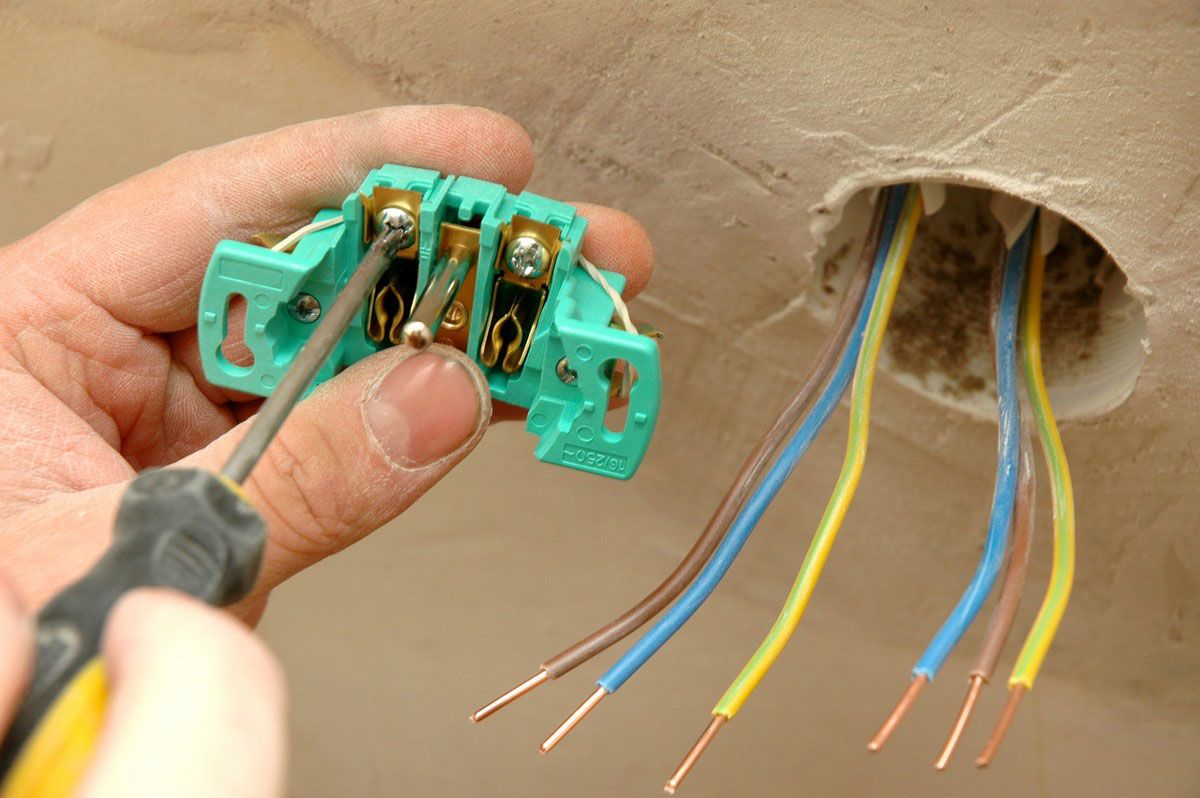
The most apparent concern with older properties is their aging wiring systems. These systems often include outdated materials that have been pushed beyond their intended lifespan. Such conditions can lead to frayed wires, which pose a significant risk of electrical malfunctions or potentially hazardous situations. Furthermore, many of these antiquated systems simply cannot handle today's extensive electrical loads, prompting the necessity for immediate upgrades.
Besides the physical integrity of the wiring itself, older systems often lack the capacity for modern electrical demand. With the average household now utilizing many more devices than in previous decades, these outdated systems can become overloaded. Overloading frequently results in tripped circuits and can escalate to more dangerous situations like electrical fires. Therefore, assessing and amending these systems is a proactive step in safeguarding the home and its occupants.
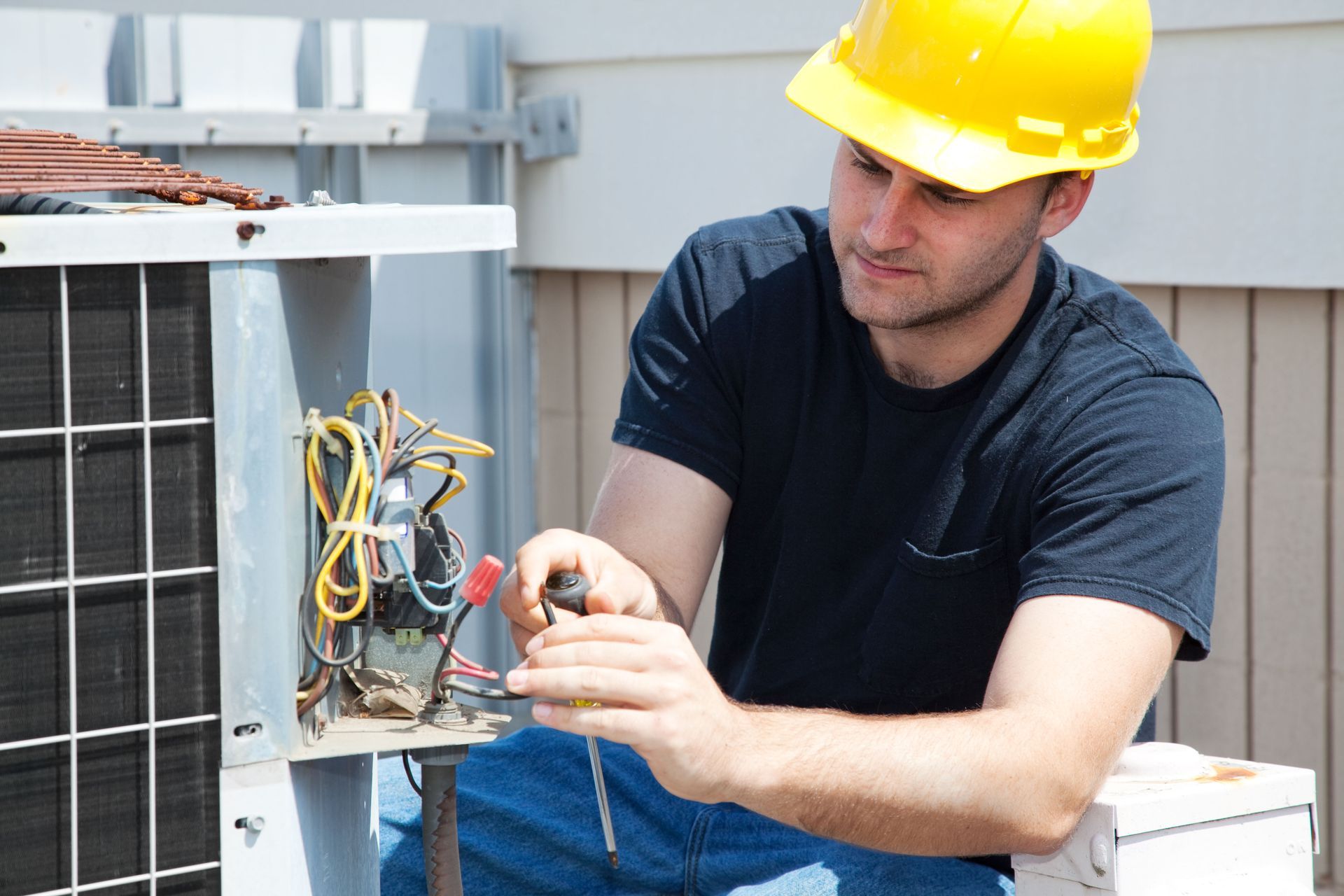
Electricians play a crucial role in navigating this complex landscape. According to the U.S. Bureau of Labor Statistics, the number of employed electricians is anticipated to increase by 9% between the years 2024 and 2034, a testament to the growing need for professional support in this sector. Trusted electricians can ensure that the necessary repairs and updates adhere to safety standards while appreciating the home's vintage essence. Thorough electrical repairs by certified professionals are vital for maintaining a secure living environment.
1.2 Fire Hazards
Old electrical systems are fraught with potential fire hazards, a glaring concern for any property owner. Aged fuse boxes and circuit breakers often cannot adequately protect against sudden surges or other failures. These deficiencies can lead to overheating wires, which are one of the primary sources of residential fires. Consequently, identifying and replacing these elements are crucial steps in mitigating these inherent risks.
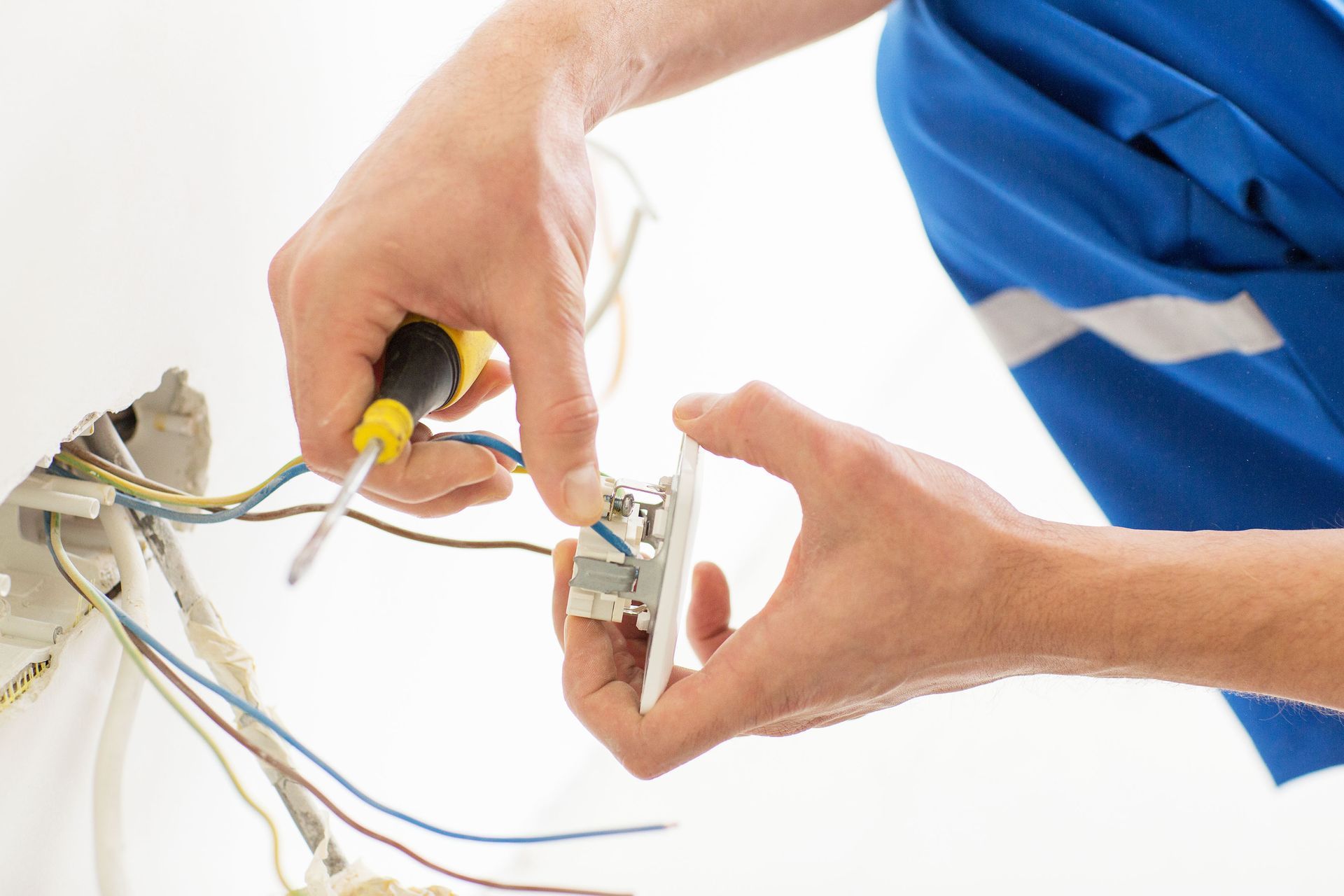
Furthermore, poorly maintained electrical systems can lead to short-circuiting, a common fire starter. It is imperative for homeowners to engage skilled electricians who can interpret the warning signals and undertake corrective measures. Electricians with an eye for preserving property integrity are essential to executing successful upgrades while espousing the historical context of the property. By updating these systems, homeowners are essentially investing in the longevity and safety of their abode.
Adopting a proactive approach to electrical repairs can substantially minimize the potential for fire hazards. Periodic inspections of electrical systems by qualified professionals contribute significantly towards preempting dangerous scenarios. In addition, continuous education and engagement with updates in electrical codes can empower homeowners to make informed decisions. Through proper maintenance and timely updates, fire hazards associated with old electrical systems can be effectively avoided.
2. How Do Electrical Repairs Enhance Energy Efficiency?
2.1 Energy Consumption of Older Systems
Older electrical systems are typically synonymous with higher energy consumption. This inefficiency is largely due to outdated technology that fails to utilize energy as effectively as modern alternatives. Such systems often waste a significant amount of electricity, leading to inflated utility bills that strain the household budget. Therefore, evaluating and repairing these systems is crucial for not only reducing costs but also enhancing overall energy efficiency.
As technology advances, the disparity between old and new systems becomes more pronounced. In many cases, outdated wiring and hardware cannot support the energy needs of contemporary appliances and fixtures, leading to inefficiencies. Comprehensive electrical repairs can address these issues, allowing for a smoother and more affordable energy use. By replacing outdated components, homeowners witness a direct impact on their energy usage and associated expenses.
The financial implications of aging electrical systems are substantial. Investing in modern technological solutions not only curbs excessive bills but also contributes to environmental sustainability. Through customized electrical repairs, homes can achieve optimal energy efficiency, safeguarding both the wallet and the planet. Consequently, the integration of energy-efficient measures in line with accurate repairs is invaluable for homeowners seeking to manage consumption responsibly.
2.2 Upgrading to Energy-Efficient Appliances
Transitioning to energy-efficient appliances is a cornerstone of modern home management. However, achieving the full potential of these appliances often necessitates corresponding updates within the electrical framework. Upgrading electrical systems to support these newer devices results in a seamless operation, optimizing energy use and maximizing appliance performance. This strategic alignment is essential in deriving the full benefits of energy-efficient technologies.
The merits of energy-efficient appliances extend well beyond financial savings, also fostering a sustainable lifestyle. Modern appliances are equipped to deliver services with reduced energy input, mitigating the household’s carbon footprint significantly. Consequently, homeowners equipped with upgraded electrical infrastructure can fully capitalize on the operational efficiencies of such devices. This synergy emphasizes the role of timely electrical repairs in advancing sustainability objectives within personal living spaces.
3. What Is the Cost-Benefit of Electrical Repairs in Heritage Properties?
3.1 Investment vs. Long-term Savings
The calculation of cost-benefit is a crucial aspect of deciding to undertake electrical repairs in heritage properties. Upfront costs can appear daunting; however, the subsequent savings in energy and maintenance underscore this as a worthwhile investment. Modern electrical systems enhance a property's operational efficiency, leading to significant reductions in energy expenses over time. Those homeowners poised to realize these savings view electrical repairs as an economic strategy as well as a necessity.
An analysis of anticipated savings reveals the extent of financial improvement following these repairs. Repairs often address outdated systems that, if left unchecked, result in extensive maintenance and inefficiencies. With contemporary repairs and updates, homes incur fewer operational hiccups, translating to minimized costs related to unexpected servicing or repairs. Property owners, thus, gain not only peace of mind but also a compelling economic incentive to modernize electrical infrastructures.
3.2 Impact on Property Value
Investing in electrical repairs can notably alter a property's market value and attractiveness to prospective buyers. Modern buyers are increasingly discerning, often prioritizing properties equipped with up-to-date electrical systems. These upgrades signify a commitment to longevity and care for the property, substantially influencing buyer perceptions and transactions. Hence, executing necessary electrical repairs aligns with broader strategies of enhancing property value.
Prospective buyers intentionally seek homes that don't require immediate repair work. Completing essential electrical repairs ensures that the home is presented in a market-ready state, limiting necessary borrowings or additional expenditures post-purchase. Such readiness enhances the selling price, allowing for a maximum return on investment. As such, homeowners actively seeking to boost their property's value are well advised to prioritize electrical repairs and updates.
Comprehensive electrical repairs are not merely maintenance; they are a necessary investment in the safety, functionality, and aesthetic value of older properties. Through informed upgrades and meticulous care, older properties can remain beloved, comfortable homes for generations to come. It is imperative to consult with professionals actively engaging in modernization while respecting the past. As we continue to embrace technological advances, the role of timely electrical intervention becomes increasingly critical.
Incorporating updated electrical systems into heritage homes is more than preserving history—it's ensuring its future. A thoughtful balance of innovation paired with tradition characterizes the path toward modernizing older properties. The seamless blend of old and new showcases a commitment to perpetuating architectural charm alongside practical functionality. This harmonization presents an opportunity to ensure that our past thrives within our present, facilitating a living dialogue between generations.
In conclusion, electrical repairs represent an investment in multiple facets of home maintenance. By addressing critical areas of safety, efficiency, and worth, these modifications guarantee the longevity and prosperity of some of our most cherished homes. As a home ages, so does its need for careful attention to updating and preserving its inner workings. This article underscores the myriad of benefits accompanying thoughtful electrical improvements, advocating for a future enriched by both heritage and innovation. Reach out to Main Line Electric today to see how we can help you!