July 24, 2026
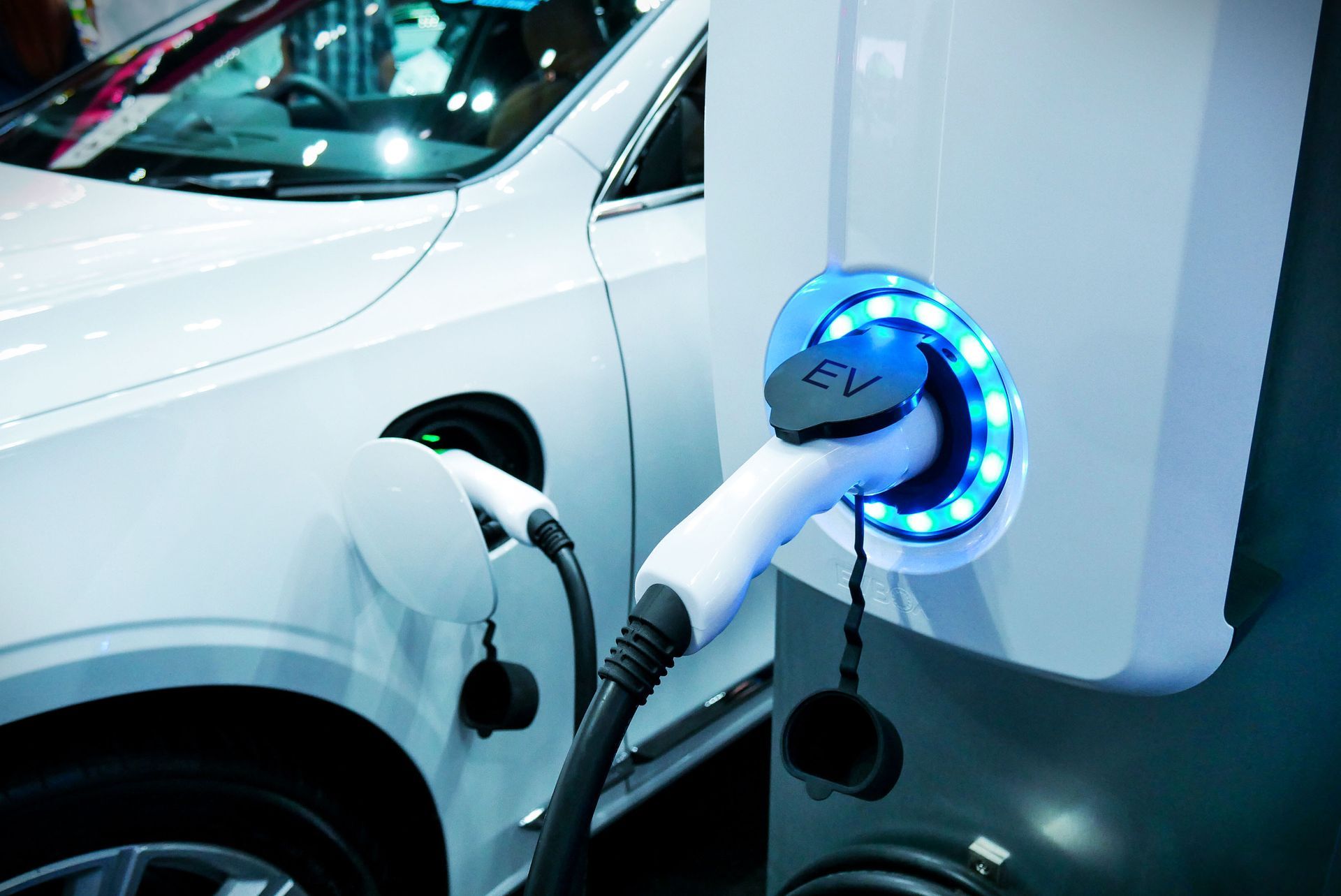
The evolution of transportation is rapidly steering towards sustainability, with electric vehicles (EVs) at the forefront. As societies globally grapple with climate change, the adoption of EVs has become more than just a temporary trend; it represents a permanent movement toward an environmentally conscious future. However, the true long-term success of this transition hinges heavily on the immediate availability of supportive infrastructure, which is why residential and commercial EV charger installation has become a vital priority for city planners and property owners alike.
Accelerating Electric Vehicle Adoption
The global shift towards electric vehicles has been remarkable, driven by shifting consumer trends and proactive government policies. Sales of EVs have surged dramatically across international markets, with projections suggesting a continual upward trajectory well into the next decade. Key regions include the United States, China, and Europe, where adoption has been accelerated by direct policy incentives, tax credits, and consumer rebates. As the automotive market shifts, timely EV charger installation ensures that new drivers have immediate, reliable access to power, boosting buyer confidence and encouraging more consumers to permanently ditch fossil fuels.
Regions with robust EV adoption rates are invariably supported by well-planned networks of charging facilities. According to the U.S. Department of Transportation, there are over 192,000 publicly available EV charging ports in the U.S., reflecting this rapid growth. As more legacy automakers pivot their entire manufacturing pipelines toward producing electric models, accessibility to public and private charging stations will become the primary determining factor in consumer vehicle purchases. Future projections indicate that electric options will completely dominate the transportation industry, making it essential to ready regional infrastructure ahead of demand.
The ripple effects of accelerated EV adoption extend far beyond individual car sales, deeply influencing urban planning, energy grid management, and municipal environmental strategies. Recognizing these trends, forward-thinking communities are actively strategizing on how to scale up local networks to meet the power demands of a rapidly expanding user base. A proactive readiness to accommodate these vehicles signifies a deep structural commitment to modern technological integration and clean air initiatives.
Prioritizing Infrastructure Demands
The massive surge in electric vehicle ownership has underscored the urgent, immediate need for robust physical infrastructure. Without a comprehensive and highly resilient network of stations, the transition to sustainable transport could easily be stifled, hampering broader global efforts toward carbon reduction. Current networks, while expanding steadily, still face significant coverage gaps, particularly within rural neighborhoods and historically underserved suburban areas. Addressing these geographic disparities is crucial to ensuring equitable access to clean technology solutions.
The overall demand for reliable charging options remains directly proportional to the volume of EV sales. As thousands of drivers transition away from internal combustion engines each month, their baseline expectations align with the effortless availability traditionally associated with gas stations. Achieving this seamless integration requires scaling up professional EV charger installation across both public parking systems and private commercial properties. This ensures that recharging eventually becomes an unnoticeable, passive part of an individual's daily routine.
Furthermore, infrastructure readiness acts as a catalyst for ongoing technical innovation and smart city integration. When a municipality invests in modern charging systems, it creates immediate opportunities to deploy cutting-edge software solutions, dynamic pricing models, and efficient energy distribution practices. Infrastructure planning must remain highly adaptable and scalable, ensuring that initial capital investments can smoothly accommodate future technological updates without requiring total system overhauls.
Enhancing Accessibility and Convenience
Making charging systems highly accessible is absolutely pivotal to permanently overcoming driver range anxiety. When high-speed stations are readily available at common destinations such as corporate workplaces, shopping centers, municipal parks, and multi-family housing complexes, motorists find it infinitely easier to make the operational switch. The inherent peace of mind that comes from knowing a high-quality station is always nearby dramatically elevates the overall user experience, making sustainable transport a practical reality for everyday commuters.
Widespread network availability also correlates directly with increased opportunities for seamless intercity travel. Long-distance road trips become entirely feasible and stress-free when high-speed charging corridors are strategically positioned along major interstate highways. This travel convenience not only adds tangible value to vehicle ownership but also enhances economic prospects for businesses situated near these transit hubs. Tourist destinations and hospitality brands are increasingly utilizing commercial EV charger installation as a premium amenity to attract affluent, eco-conscious travelers.
Additionally, elevating user convenience requires the implementation of intuitive payment software, real-time station availability tracking, and reliable customer support systems. By removing friction from the physical charging process, the industry can easily match or exceed the standard consumer expectations established by traditional refueling infrastructure. These systemic user experience enhancements help build widespread public trust, accelerating organic word-of-mouth advocacy across diverse demographics.
Driving Local Economic Opportunities
The expansion of modern vehicle charging networks opens up substantial economic advantages and commercial opportunities for local communities. This rapidly emerging infrastructure sector is actively creating diverse job opportunities, ranging from electrical engineering and physical construction to specialized software development and long-term asset maintenance. Local municipalities and private businesses can capitalize heavily on this growth, driving targeted capital investments that simultaneously spur local commercial activity while advancing regional sustainability goals.
Beyond immediate job creation, developing a comprehensive network attracts substantial private investor interest and injects fresh capital into regional development projects. Institutional lenders and venture firms recognize the immense growth potential inherent in clean energy infrastructure, opening up creative financing pathways and public-private partnerships. These collaborative frameworks allow municipalities to share financial risks with private entities, accelerating the deployment of widespread, state-of-the-art charging networks that would otherwise strain public budgets.
Moreover, integrating reliable charging capabilities can significantly enhance long-term property values for residential and commercial real estate assets. Commercial properties featuring professional EV charger installation regularly see higher occupant retention, increased customer dwell time, and premium leasing rates. As a growing percentage of the workforce prioritizes sustainable living practices, neighborhoods and commercial plazas equipped with this forward-looking infrastructure automatically gain a distinct competitive edge in the marketplace.
Implementing Strategic Placement Decisions
The analytical placement of charging stations is essential for maximizing their operational utility and ensuring long-term community benefits. Systems must be deployed precisely where they offer the highest convenience and utilization rates, such as high-traffic retail corridors, commuter transit hubs, and dense residential zones. Strategic positioning minimizes local grid strain and prevents localized traffic congestion, ensuring that vehicles flow smoothly through charging bays without disrupting surrounding infrastructure or commercial operations.
Optimal placement strategies rely heavily on a rigorous assessment of current and projected driver behavioral patterns. By leveraging data analytics and predictive modeling, city planners can pinpoint exact geographic coordinates where demand will peak over the coming years. This data-driven approach prevents the misallocation of resources, ensuring that every newly installed station serves an active, demonstrable need within the community's broader transportation framework.
Inclusivity must also remain a foundational pillar of any regional placement strategy. This involves ensuring that low-income neighborhoods and rural communities are not left behind as urban areas modernize. Providing equitable access to charging systems helps democratize the direct financial and environmental benefits of electric transportation. A well-rounded approach ensures that the entire community moves forward together into a cleaner, more efficient operational era.
Developing a sustainable future requires continuous dedication, forward-thinking infrastructure upgrades, and a commitment to quality engineering. Upgrading public spaces and private properties with reliable charging systems represents a major step toward achieving true energy independence and minimizing environmental impact. For more information about the services that we offer, reach out to our incredible team at Main Line Electric today!